Door hardware plays an important role in the safety, functionality, and appearance of any building. Whether it is a family home, office, shopping centre, or commercial property, choosing the right door hardware is essential for ensuring reliable everyday use. However, residential and commercial buildings have different requirements when it comes to security, durability, accessibility, and design.
Although both types of door hardware serve similar purposes, they are designed to meet different levels of usage and performance. Understanding these differences can help homeowners, architects, contractors, and business owners make informed purchasing decisions.
What Is Residential Door Hardware?
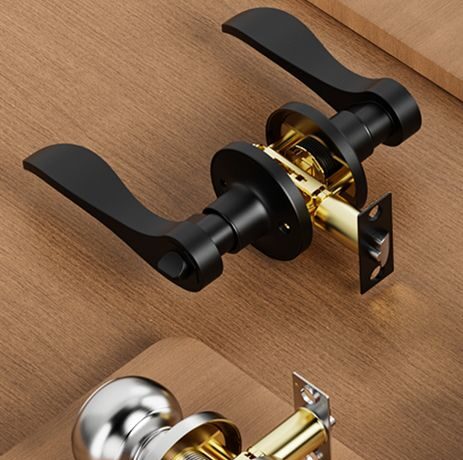
Residential door hardware refers to the locks, handles, hinges, and accessories designed for houses, apartments, and other living spaces. These products focus on providing everyday convenience, personal security, and attractive designs.
Common residential door hardware includes lever handles, door knobs, deadbolts, privacy locks, hinges, door stops, and sliding door fittings.
Unlike commercial environments, residential doors generally experience moderate levels of daily use. Therefore, homeowners can choose from a wider variety of decorative styles and finishes while still maintaining appropriate security.
Popular finishes include matte black, polished chrome, brushed nickel, and brass. These options allow homeowners to coordinate door hardware with furniture, lighting, cabinets, and other interior design elements. Keeler Hardware is a name worth exploring when looking for suitable door hardware solutions for different property types.
What Is Commercial Door Hardware?
Commercial door hardware is specifically designed for buildings that experience frequent use and require higher levels of durability, security, and functionality.
Offices, hotels, hospitals, schools, retail stores, and industrial facilities often require specialised hardware that can withstand repeated operation throughout the day.
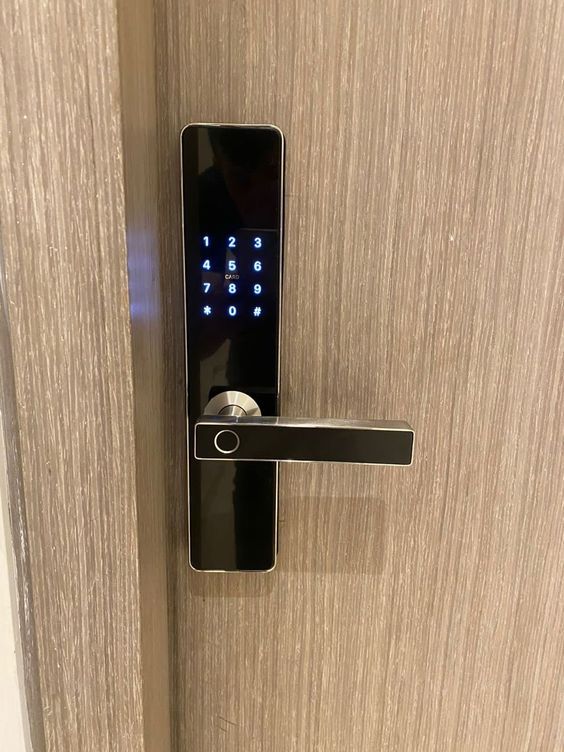
Common commercial door hardware includes heavy-duty hinges, commercial-grade locks, panic exit devices, door closers, access control systems, and electronic locking solutions.
These products are generally manufactured to handle demanding environments and meet relevant building, accessibility, and fire-safety requirements.
For commercial properties, choosing suitable hardware is not only about appearance. It is also about maintaining building security, supporting efficient movement, and ensuring dependable performance.
Differences in Durability and Daily Usage
One of the biggest differences between residential and commercial door hardware is the level of daily usage.
Residential door handles and locks are usually designed for regular household activities. Although durability remains important, these products do not always need to withstand the same level of repeated operation as hardware installed in busy commercial buildings.
Commercial door hardware, on the other hand, must handle frequent opening and closing by employees, customers, visitors, and service personnel.
For this reason, commercial products often feature stronger materials, reinforced construction, and components designed for higher cycle counts.
When selecting door hardware, consider the expected frequency of use. Investing in suitable commercial-grade products for high-traffic areas can help reduce maintenance costs and prevent premature replacement.
Security Requirements and Locking Systems
Security is essential for both residential and commercial properties, but the requirements can vary considerably.
In residential buildings, homeowners typically use deadbolts, mortice locks, privacy locks, and multipoint locking systems to protect their properties. Smart locks are also becoming increasingly popular because they provide convenient access through mobile applications, PIN codes, or other electronic methods.
Commercial properties may require more advanced security solutions. Examples include master key systems, electronic access control, card readers, keypad locks, and restricted-access locking systems.
These solutions help business owners manage who can enter specific rooms, offices, storage areas, and restricted zones.
The appropriate locking system depends on the building’s purpose, security risks, and access requirements. Choosing reliable door hardware helps create a safer environment for residents, employees, and visitors.
Design and Aesthetic Considerations
Appearance is another important factor when comparing residential and commercial door hardware.
In residential spaces, hardware often contributes directly to the interior design. Homeowners may select decorative handles, stylish finishes, and unique designs that complement their personal preferences.
Commercial environments generally prioritise professional appearance, consistency, and practicality. Office buildings and hotels often use simple, modern finishes that complement their architectural style without compromising functionality.
However, modern commercial door hardware is also available in a wide range of attractive designs. This allows businesses to maintain a professional appearance while meeting practical requirements.
Keeler Hardware offers a useful starting point for exploring door hardware options that suit different architectural styles and project requirements.
Accessibility and Safety Features
Accessibility and safety are particularly important when selecting door hardware for commercial buildings.
Public spaces must consider the needs of people with different physical abilities. Lever handles, suitable opening forces, accessible locking systems, and appropriately positioned hardware can make doors easier to operate.
Commercial buildings may also require fire-rated door hardware, panic exit devices, and automatic door closers, depending on the building type and applicable regulations.
Residential properties can also benefit from accessibility-focused solutions, especially in homes designed for older adults, children, or individuals with limited mobility.
Before purchasing door hardware, check the relevant building regulations and product specifications to ensure that the selected components meet the necessary safety requirements.