The annual clean used to be the industry default. Book it in, collect the certificate, move on for another twelve months. That approach no longer reflects what the current compliance and best practice framework requires of commercial kitchen operators in NSW, including those across Lismore.
The AIRAH Best Practice Guide for Commercial Kitchen Exhaust Management, first published in 2022, introduced an evidence-based approach to kitchen exhaust cleaning Lismore that goes beyond the minimum standards in AS 1851. Rather than relying on a fixed schedule regardless of actual conditions, the AIRAH approach requires grease thickness to be measured at representative
locations throughout the system and cleaning frequency to be set according to observed accumulation rates. A high-volume venue running deep fryers and char-grills may require cleaning every two to three months. A lower-output kitchen may legitimately clean less frequently, but must document that decision with measured evidence rather than assumption.
From 13 February 2026, NSW regulations require building owners of applicable Class 2 to 9 buildings to maintain essential fire safety measures in line with AS 1851-2012. Where kitchen exhaust systems form part of those essential fire safety measures, the cleaning and maintenance obligations apply directly and must be documented.
The System Zone That Most Operators Underestimate
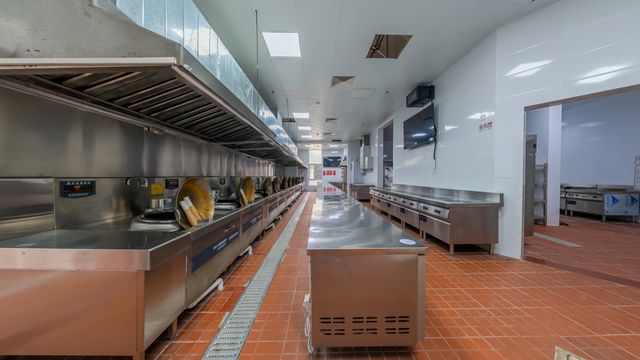
Every commercial kitchen exhaust system has distinct zones that accumulate grease at different rates. The hood face and filter frame are where most operators focus attention. Baffle or mesh filters capture the first wave of grease vapour and are the most visible part of the system. What they cannot address is everything downstream.
Horizontal duct runs pool grease at every low point. Duct bends trap deposits even in systems with well-maintained filters. Neither zone is accessible without the access panels and professional equipment that a qualified cleaning contractor uses. The fan housing is the third underserviced zone; grease on rotating blades creates mechanical imbalance, increases electrical load, and shortens motor life. The rooftop discharge point, sitting at the end of the system, often goes years without service and creates both a fire risk at the building perimeter and a compliance issue under AS 1668.1.
The AIRAH guide also notes that duct fires can reach 1,000 degrees Celsius within minutes, with enough radiant heat to ignite combustible materials outside the duct itself. Because fire dampers cannot be installed in kitchen exhaust ductwork, a fire that enters the system has an unobstructed path through the full duct run.
What Lismore’s Compliance Framework Now Requires?
In short, Lismore City Council needs to see an annual fire safety certification for any commercial premises that apply which needs to give a true picture of the state of all the fire safety gear on site, including exhaust systems that form part of the overall fire safety setup.
That fire safety certification has to show the condition of all fire safety measures following a thorough clean, including exhaust systems which are part of the fire safety framework; this shows the state of the system before and after the service, noting the grease thickness at both points. Without it, a venue has no evidence to present to the fire safety assessor or council officer during the annual review and that means they won’t be able to meet the compliance requirements.
The Signs That Cleaning Is Overdue
It doesn’t take much to spot when a kitchen’s exhaust system is in need of a good clean, especially if it’s been based on old volumes of cooking:
- Grease is building up on the kitchen, or dripping from the hood during or after service; this is a clear sign that it’s time for a clean.
- Using normal degreasers, kitchen staff can’t get the filters working properly again; this means the system needs some TLC.
- Smoke or smells from cooking are escaping outside the hood’s capture area; not ideal in any situation.
- The area above the cooking stations is getting hotter than it should be; this is a sign that the system is clogged up.
- The fan is making more noise now than it used to; or worse still, it’s got a vibration or a change of pitch because the blades have become unbalanced due to all the grease that’s built up.
Any one of these signs should set off alarm bells; it’s time to get the system done urgently.