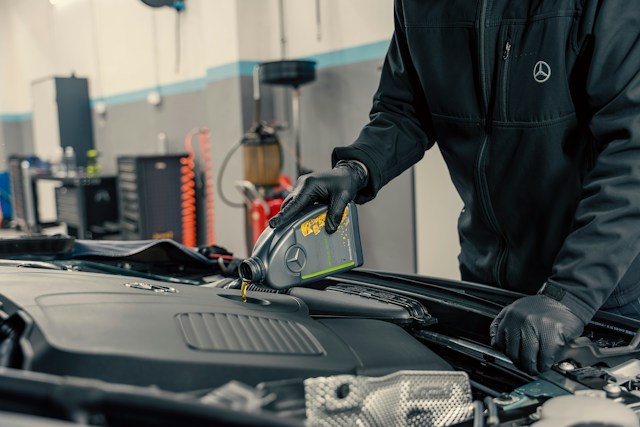
Cars often show warning signs before a breakdown. A slight squeal on a cold morning, pulling to one side on the freeway or a new stain on the driveway can all indicate a developing problem. Drivers who recognise these signs early may avoid more expensive repairs later.
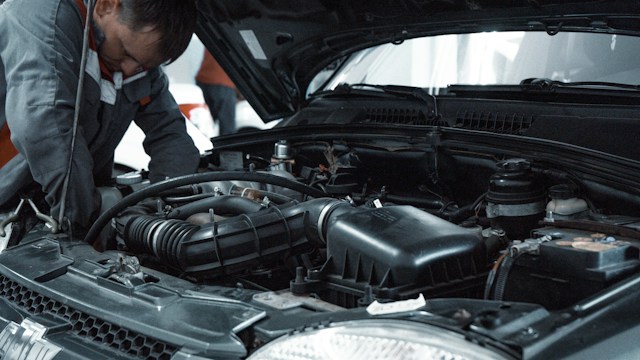
An Older, More Varied Fleet
Petrol vehicles account for 63.7 per cent of Australian registrations, down from 65.6 per cent, while diesel vehicles represent 29.9 per cent. Australia’s vehicle fleet is also ageing. An industry survey found that the average passenger vehicle was 11.3 years old in 2025, compared with 11.2 years the previous year. Many owners also reported plans to keep their existing vehicles longer because of financial pressures.
Age affects several vehicle components. Rubber becomes harder, suspension bushes wear out and cooling systems become less efficient. Petrol and diesel engines also have different maintenance requirements, making a workshop experienced with both types a practical choice for auto repairs Hoppers Crossing.
The Right to Choose a Servicer
Lots of car owners assume that if they don’t get their new car serviced at a dealership, the warranty will get voided. But consumer regulators are clear; that’s not necessarily the case. Manufacturers can insist that work is done to their specs, by a qualified technician using the right parts, but they can’t force you to go back to the dealership.
Now, there are still some warranty conditions you do need to watch out for. The catch is, the manufacturer’s warranty won’t cover you if you use any old non-genuine parts instead of the real deal. And then there are the extended warranties you can buy; those might have their own set of rules, including the need for dealership servicing. What’s more, some capped price servicing deals might leave out some pretty important work.
Before the next service:
- Take a close look at that logbook and make sure you’re not missing any important details.
- Check the tyre date codes; they’re hidden in plain sight but can be a big deal.
- Write down any weird noises, smells or warning lights that pop up on the dash.
- Get a written quote with all the costs laid out in black and white.
Tyres Can Be Old Even When They Look Fine
Tread depth is probably the easiest bit to check when it comes to tyre wear. The wear indicators on your tyres make it easy to spot when it’s time to replace them; once they’re down to the same level, you’re looking at 1.5 millimetres of tread left, and that’s the bare minimum. But even if your tyres look fine, it’s a good idea to replace them before that point, because their grip on the road starts to go downhill fast when the tread wears down.
But age is also a factor. In Australia, there’s no law saying how old a tyre can be, but many experts say it’s a good idea to take a closer look after about six years and start thinking about replacing them around ten years in, even if they’ve only covered a relatively short distance. And don’t forget that extreme heat and sunlight can do a lot of damage to your tyres, and if you spot any cracks or visible damage on the sidewall, get them replaced pronto.
There’s a four-digit code on the sidewall of your tyre that tells you when it was made. The first two digits are the week, and the last two are the year, so for example, 1622 means your tyres were made in week 16 of 2022.
Warning Signs You Shouldn’t Ignore
Uneven tyre wear is often a sign of other problems with your steering, suspension or wheels, and you might not even notice it until it’s too late. And if you notice a soft or sinking brake pedal, or start hearing grinding noises when you turn, or the dashboard warning lights are flickering away, that’s a pretty clear sign that you need to get in and have a look.
And then there are the slow coolant leaks; those can turn into a major engine overheating problem if you don’t catch them in time. Generally, the sooner you get in and have a look, the less it’s going to cost you in the long run.

Reading a Repair Quote
A decent repair quote should break out the parts and the labour costs separately, tell you what kind of parts they’re using, and explain exactly why each repair is necessary. And if a quote just says “general repairs” without giving you any concrete details, keep digging until you get some real information. Ask the workshop which repairs are urgent, which can wait, and what will happen if you delay them.
Of course, going to an independent workshop is likely to be cheaper than dealing with the dealership, but price isn’t the only thing that matters.