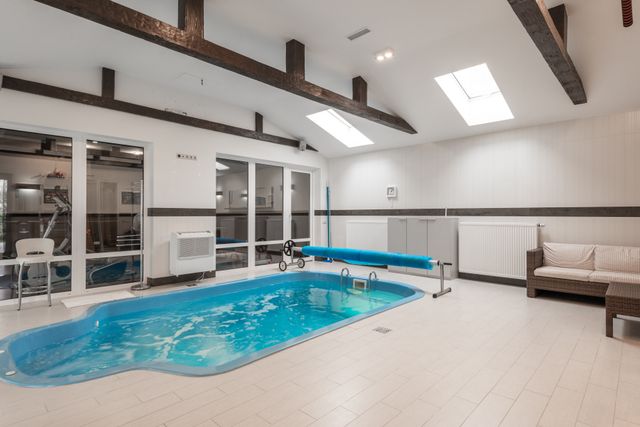
The colour that the water takes each time a person views the pool is not the actual colour of the water, but rather the surface behind it. The interior finish absorbs, reflects, and interacts with light according to the material and the colour used on the shell. This single factor, which is usually considered in lesser time compared to the coping tiles, will affect the pool’s aesthetics for the coming fifteen to twenty-five years.
Why Does the Interior Get Less Attention Than It Deserves?
People usually pay much attention to the coping tiles, perimeter pavers, and the fences. These elements make up the appearance of the pool project. However, the interior gets less attention since samples are smaller, and people find it hard to imagine the whole interior finish from a swatch. The selection also happens when it is late in the process of renovation and people are tired of making decisions. Pebble pools Sydney homeowners choose most often tend to be selected in exactly this rushed window, which is why understanding the options in advance makes a real difference.
What Aggregate and Pebble Finishes Are Actually Made Of?
Pebblecrete and aggregate pool finishes are made up of tiny stone fragments, sometimes even crushed glass beads, mixed in with a cement-based paste and then exposed at the surface as the finish sets. Because they get a good scrub or grind during the curing process, you can see all those tiny particles up close.
The way these finishes are put together has some pretty practical implications beyond just how they look. For one thing, the texture of the aggregate particles at the surface makes the bond between them and the underlying layer a lot more complex than plaster. That complexity helps the surface hold up way better to all the chemical and heat stress that pool water puts on it, especially out in the open like in Sydney. Properly fitted aggregate finishes get a good rep among the trade for being pretty durable over time, especially in pools that have to deal with high concentrations of sanitiser or see big changes in temperature between seasons.
How Colour Controls the Water You See Every Day?
The single most important thing to consider when choosing a pool interior, and one that has a huge impact on the overall look, is colour. Lighter finishes, things like pale white, cream and soft blues, tend to make the water look like that bright turquoise you see in resort pools. On the other hand, darker finishes, think charcoal, slate, deep blue and dark green, give the water a more subdued, sophisticated look.
Adding in glass beads can make a big difference in how the surface handles direct sunlight; they scatter light in a way that stone aggregate on its own doesn’t, which creates a sort of shimmering effect that can really make a quality installation pop on a clear morning in Sydney. But a lot of pool owners end up regretting not seeing the actual colour in big, full-scale, outdoor light before they make a decision; it can look really different from a tiny sample card.
What Maintenance Actually Looks Like?
If you put an aggregate finish in your pool and take care of it properly, you can expect it to last anywhere from 15 to 25 years, depending on how well you keep it up, how often people use the pool and the type of chemicals you use in it. To keep it looking its best, you need to keep an eye on a few things:
- Make sure the pH and chemical balance are spot on, to prevent the cement holding it all together from dissolving.
- Regularly give the surface a good brushing to stop calcium from building up in the aggregate texture and causing problems.
- Keep an eye out for any early warning signs of trouble; little hollows, fine cracks or discolouration, and if you catch them early, you can often fix them up with a bit of matching material. But if you let things go, they can spread out and end up requiring a full resurfacing. In Sydney’s harsh outdoor conditions, you can’t afford to slack off on maintenance; an aggregate finish rewards attention and it’s worth giving it the TLC it needs.
NSW Fair Trading’s pool and spa safety guidelines are a useful reference point for homeowners planning any interior renovation work, particularly around compliance obligations that may be triggered when the pool is taken out of service for resurfacing.
How Aggregate Finishes Stack Up Against Plaster and Fibreglass?
At first, plain white plaster can be the most cost-effective option, but it has a few major downsides; it stains easily, lets algae in, and etches when you use standard chemical treatments, especially in pools that get a lot of organic matter coming through. Fibreglass liners, on the other hand, are pretty good at resisting chemicals but don’t give you much design flexibility and can start to get little surface cracks or blisters after a while.
Aggregate finishes, on the other hand, are kind of in a different league altogether. They are far more resistant to chemical erosion than plaster and they handle staining in a completely different way. On top of that, they generally hold up a lot longer visually under the same maintenance conditions. Of course, it costs a bit more upfront to get an aggregate finish, but over the long run, the extra maintenance and replacement costs can end up making it the better value.