The selection of the appropriate hot water system may appear as a maze. There are a multitude of choices so it is easy to be confused. Remodelling your house or just need a new unit? It is important to understand what each type is offering.
Comfort is not the only reason why hot water systems are important, however, energy efficiency and saving costs are crucial. Each family has its specific demands, some might need the constant flow of water to take several showers during the busiest time and others can be more concerned with the space conservation options.
By entering the world of hot water systems, one will be plunging into the world of types, aspects to be considered, and even prices that are associated with installations and maintenance. We will de-mystify this subject and you will find the best fit to call home!
Types of Hot Water Systems
In the case of hot water systems, there are a number of choices. All types have their advantages, as well as the best applications.
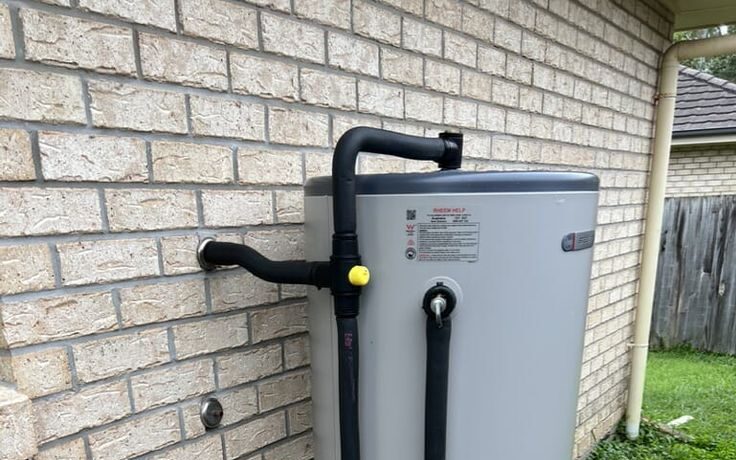
The most common are storage tank systems. They boil water inside a large tank and it is ready whenever you require it. They are however, capable of occupying very large space.
Instant or continuous flow systems have on demand hot water. They are able to heat water by passing it through the unit, thus, saving on energy, but might have difficulties with several taps operating at the same time.
Heat pump systems draw warmness either out of the air or ground. These are very efficient and eco-friendly and may need to be invested in initially.
Selecting the right hot water system ultimately comes down to your lifestyle and household needs. Understanding the benefits and limitations of each option can help you make an informed decision. For expert advice, comparisons, and tailored solutions, visit Hot Water Boss at hotwaterboss.com.au.

Factors to Consider When Choosing a Hot Water System
Some important aspects come into the limelight when making a choice of a hot water system. Begin with assessing the number of people in your family. The more people there are, the bigger the capacity tank or the greater the output.
Think about your source of energy as well. Each of the options of natural gas, electricity and solar has its advantages and disadvantages. Depending on where you live, this can affect the type of energy that is the most productive to you.
Then consider space during installation. Reckonings of some systems cannot fit less space than others hence take measurements before any decisions are made.
Local climate conditions are also not to be disregarded. In the cold regions, some systems might be more effective than others during winter seasons.
Include your budgeting- both the price of the purchase and the running costs and maintenance needs in the long run so that you do not get caught by the snake in the long run. A compromise will bring you nearer to discovering what will best fit you.
Energy Efficiency Comparison of Different Systems
Hot water systems differ greatly in case of energy efficiency. Conventional tank systems can be inefficient in that they continuously heat and hold water hence the standby losses.
Conversely, instant or tankless systems do not heat water, but instead only make it when it is required. This implies that there is no wastage of energy as one waits to have hot water. They may prove to be an excellent option in smaller families that have a reduced demand.
There is also heat pump that is very effective in the efficiency section. They heat your water by taking the heat out of either the air or the ground, and only demand a significant amount of electricity when compared to regular electric heaters.
Solar hot water systems use solar energy as the direct source of energy. They can be considered as a good alternative to those homeowners who are eco-conscious because even though they may be expensive initially, they can save a lot of money long-term by saving on utilities.
There are advantages and disadvantages of each system in terms of energy consumption. Knowing these differences will aid you in making a good choice depending on your needs and lifestyle choices.
Installation and Maintenance Costs
In the case of a hot water system, the installation and maintenance cost is a major factor to be taken into consideration. The cost of installation depends on the nature of the system you opt. Gas systems can be ventilated further, whereas electric can take certain electrical upgrades.
It should be maintained on a regular basis. Such basic activities as flushing the tank once a year may help avoid the accumulation of sediments and increase the life expectancy. Professional hiring can cost you extra money, but it will be safe and efficient.
Long-term maintenance expenses should not be left behind. There are those systems that require a more frequent replacement of parts or repairs. Making a prudent decision in the beginning may save you on the future.
Always demand quotations of several providers before making decisions. Knowing all the possible expenses in advance will save you a nightmare later in life as you will be well aware of what is important in life, which is the ability to enjoy hot water every time you want it.
Reviews of Top Hot Water System Brands
Brand reputation is important as far as hot water systems are concerned. There are several brands that are always reliable and perform well.
Rheem is a household name in Australia. Their tanks are characterized by strength and new technology. Their customers are complimenting their heating solutions that are efficient.
Bosch also enjoys a good following. Their running flow systems make sure that you do not lack hot water. Consumers like the small sizes which are easily accommodated in the small areas.
Stiebel Eltron focuses on electric models, and they have environmentally-friendly models that require on-demand water heating. The reviews show that people were satisfied with the energy efficiency and the rapidity of heating.
Rinnai also offers great solutions to those who are keen on solar solutions, and they do maximize on the use of renewable energy. One of the biggest benefits that the customers refer to is lower utility rates.
Both of these brands have something special to offer, addressing the needs and tastes of different people in the market nowadays.