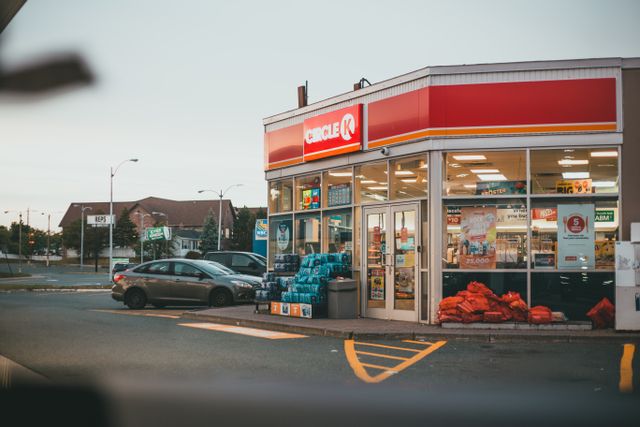
Picture two stores from the same chain. One has a crisp, well-lit fascia sign, clear window graphics and tidy wayfinding inside. The other has a faded logo, a sign in a slightly different shade of blue, a handwritten note taped to the door and a menu board that looks like it was designed by a different company. Same brand, completely different impression.
For businesses with multiple locations, inconsistencies like these are surprisingly common, and they quietly erode trust. Customers expect a brand to look and feel the same wherever they encounter it. Keeping signage consistent across dozens or hundreds of sites is a real challenge, which is why many franchise and retail groups work with specialists such as Sign Manager to coordinate design, production, installation and maintenance nationally.
Signage is often the first impression
Before customers see your products, meet your staff or step inside, they see your signage. It tells them who you are, what you offer and whether you look trustworthy.
A clean, professional sign suggests a well-run business. A damaged, outdated or inconsistent sign raises doubts. For multi-site brands, every location contributes to the overall perception of the business.
Consistency builds recognition
Strong brands are instantly recognisable. Colours, fonts, logos and layouts become familiar, helping customers identify the business quickly, whether they are driving past at speed or scanning a busy shopping centre.
When signage varies from site to site, that recognition weakens. Customers may not realise two locations belong to the same brand, or they may question whether a particular site meets the same standards.
Why inconsistency creeps in
Few businesses set out to have inconsistent signage. It usually develops gradually.
Different sites may use different local sign makers, each interpreting brand guidelines slightly differently. Materials and colours vary between suppliers. Older locations retain previous versions of the logo after a rebrand. Store managers add their own signs to solve immediate problems. Maintenance is handled inconsistently, so some signs are kept pristine while others fade.
Over time, these small differences add up.
The role of brand guidelines
Clear brand guidelines are the foundation of consistent signage. They should specify logos, colours, fonts, materials, dimensions, placement and lighting requirements.
But guidelines alone are not enough. They need to be applied consistently, with oversight to ensure every new sign, refit or replacement meets the standard.
Centralised management
Many multi-site businesses find that centralising signage management improves consistency. A single point of contact coordinates design approvals, manufacturing, installation and maintenance across all locations.
This approach can also improve efficiency. Bulk manufacturing reduces costs, standardised designs speed up approvals and centralised records make it easier to track what is installed where.
Compliance and approvals
Signage often requires council approval, particularly for large, illuminated or externally mounted signs. Shopping centres and landlords may also have their own requirements.
Managing approvals across multiple jurisdictions can be complex. Experienced signage partners understand local regulations and can help manage the process, reducing delays when opening new sites or refreshing existing ones.
Maintenance matters
Even the best signage deteriorates over time. Sun exposure fades colours, lighting fails and weather causes damage. A dark or broken sign can make a business appear closed or neglected.
Regular audits and maintenance schedules help identify issues early. Some businesses conduct periodic site reviews to check signage condition and compliance with brand standards.
Rollouts and rebrands
When a business rebrands or launches a new store format, updating signage across every location is a major undertaking. Coordinating design, production and installation so that sites are updated quickly and consistently helps avoid a confusing period where old and new branding sit side by side.
Careful planning, clear timelines and strong project management are essential for a smooth rollout.
Planning for new locations
Opening a new site is one of the best opportunities to get signage right from the start. Build signage requirements into the fit-out plan early, rather than treating them as a last-minute item. Confirm landlord and council requirements, order signs with enough lead time to avoid delays and make sure the installer has the current brand files and specifications. A short handover checklist covering exterior signs, window graphics, wayfinding and safety signage helps ensure every new location opens looking exactly as the brand intends.
Small details, big impact
Signage is easy to overlook as just another operational cost. But for multi-site brands, it plays a powerful role in shaping customer perceptions. Consistent, well-maintained signage reinforces brand identity, builds trust and makes every location look like it belongs to the same professional organisation. That consistency is worth protecting.