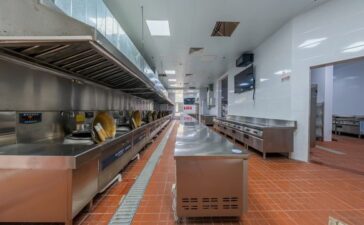
The scope and standards of commercial kitchen cleaning are very different from those of residential cleaning. Over the course of several days or weeks, a busy restaurant or commercial kitchen produces a significant amount of grease that covers every surface it comes into touch with, including benchtops, exhaust hoods, filters and the ductwork that leads to the building’s exterior.
Grease that has baked onto surfaces over time is broken down and removed by professional grease cleaners using commercial-grade degreasers, specialised tools, and high-temperature steam or pressure cleaning equipment. For this level of cleaning to be completed successfully and without endangering the infrastructure of the kitchen or the health of people working there, the proper tools, training, and knowledge of safe chemical handling are necessary.
Grease Cleaners’ Crucial Role in Lismore Businesses
Operators of grease cleaners Lismore offer a vital service to the regional food and hospitality sector. The café and restaurant industry in the Northern Rivers region is flourishing, and every successful food establishment depends on the unglamorous but vital task of maintaining commercial kitchen systems that are safe, hygienic, and compliant. The risk of equipment damage, health inspection failures, and kitchen fires rises dramatically in the absence of routine professional grease cleaning.
In order to limit inconvenience, professional grease cleaners usually arrive in the evening after service ends or early in the morning before the kitchen opens. Effective, skilled staff may swiftly complete a thorough cleaning program, leaving the kitchen prepared for service with little interference with the company’s daily operations.

Comprehending Australian Kitchen Grease Cleaning Standards
Australian Standard AS 1668.1, which outlines specifications for fire and smoke control systems, including kitchen exhaust cleaning frequencies, applies to commercial kitchen exhaust systems in Australia. Insurance companies and building owners use these guidelines as a benchmark to evaluate compliance. They provide minimum cleaning intervals based on the type and volume of cooking being done.
Complying with these requirements is a true safety need rather than only a legal requirement. When grease fires occur in exhaust ductwork that has never been viewed or accessible, the consequences can be disastrous. A qualified grease cleaner who understands these guidelines and thoroughly records their work helps shield your company from liability and fire hazards.

Making the Most of Your Grease Cleaning Collaboration
Keep lines of communication open with your cleaning provider regarding any changes to your menu or cooking volumes that could impact grease buildup rates if you want to get the most out of your grease cleaning contract. A menu centred around lighter preparation techniques might require less frequent cleaning than a shift toward heavy frying or charcoal cooking.
All cleaning service records should be kept up to date and easily available because building owners, health inspectors and insurance may ask for them at any time. Your exhaust system is kept in optimal condition in between professional cleanings by reviewing the cleaning report following each visit and quickly resolving any maintenance concerns found.