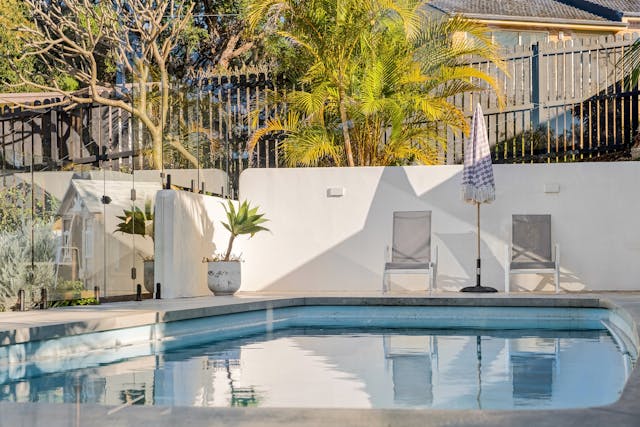
Why It Is Important to Check Pool Safety
Swimming pools are a terrific addition to homes and public areas, but they also come with a lot of safety obligations. Australian laws mandate stringent adherence to pool safety standards in order to lower the risk of drowning and injury, especially among youngsters. The official way to check if a pool area satisfies all the safety rules is to get a pool safety inspection.
These checks aren’t just for show; they can save lives. Inspectors can stop terrible incidents before they happen by finding dangers like broken gates, climbable objects near fences, or not enough barriers. In fact, in a lot of states, you have to have a valid pool compliance certificate to sell, rent, or even just use a pool.
The Australian Standards may be followed in somewhat different ways in different jurisdictions, but they all have the same goal: to keep pools safe and out of reach of small children when they are not being watched. Regular inspections are a legal and practical need for homeowners, landlords, and property managers.
What Happens When You Have a Pool Safety Inspection
A licensed pool safety inspector who knows the laws and safety risks that come with pool areas usually does a pool safety inspection. The inspector will check the pool fence, gates, latches, access points and the area around the pool to make sure they fulfil the requirements that apply, including AS1926.1-2012.
The inspector looks at the height of the fences (at least 1.2 meters), the distance between the vertical bars, and whether the gates close and lock on their own. They also check the “non-climbable zones” around the pool fence to make sure that no trees, objects, or surfaces make it possible for a child to climb over or under the fence.
The inspector will also check for doors and windows that open into the pool area and see if they follow safety requirements. For instance, windows might need to have security screens or not be able to open more than 100mm if they are close to the pool.
The property owner will either get a pool safety certificate (if everything is up to code) or a full report that lists all the things that need to be fixed after the inspection is over. Most places give you a certain amount of time, usually between 20 and 90 days, to correct the problems and set up a reinspection.
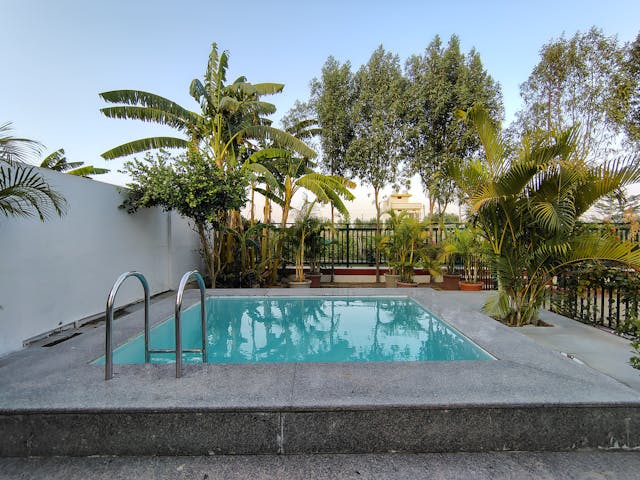
When and why you need a pool safety certificate
In some parts of Australia, you have to get a valid pool safety certificate in order to do specific things. For instance, if you sell or rent out a house with a pool in Queensland or New South Wales, the law says you have to give the buyer or tenant a current certificate. If you don’t do this, property deals could take longer or you could get fined.
A pool safety check is also important for landlords to do between tenants to make sure the facility is still safe and up to code for new tenants. Getting your pool checked out is a good idea even if you don’t want to rent or sell it. It will help you find problems and keep up with the rules.
It’s important to remember that the rules for pool safety have evolved throughout time. It is possible that your pool does not meet today’s safety standards if it was built ten years ago. You can prevent significant fines by booking an inspection early to find those problems.
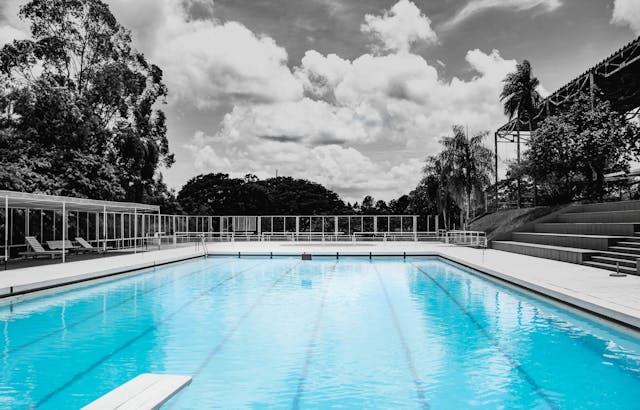
Keeping things safe between inspections
You should still take care of your pool fencing and safety measures even after passing a safety inspection. Over time, gates can sag, self-latching devices can break, and changes to the landscape might make it easier to climb. The pool owner or manager should check the pool often to make sure it stays safe and up to code.
You should also teach everyone in the house why it’s important to keep the pool gate closed and never leave it open. As part of maintenance, you should make sure that the lock works properly and that there are no climbable things (such chairs, toys, or garden pots) in the area that shouldn’t be climbed.
A proactive approach to pool safety can keep major accidents from happening. Regular inspections, quick repairs, and knowing your legal responsibilities all help make the pool area safe and fun.