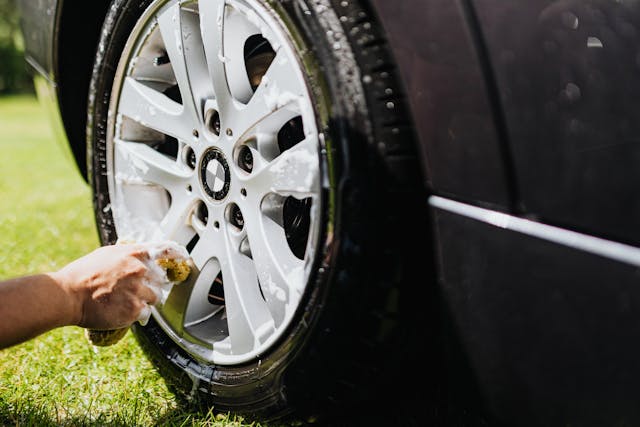
A lot of drivers put serious effort into washing the car, then lose the result right at the end.The body gets cleaned properly, glass is sorted, trims are wiped down, and the whole car looks close to finished; then the tyres and wheels are left looking flat, patchy, or unfinished.That’s usually where it makes sense to buy tyre dressing products online, because the final look of the car depends heavily on how those last details are handled.
Tyre dressing gets treated like a minor extra far too often. In reality, it does a lot of visual work. Clean paint beside dry, faded rubber can make the whole vehicle feel slightly underdone, no matter how careful the wash itself was. Get the finish right and the car looks sharper straight away. Get it wrong and the result can swing the other way just as quickly; too greasy, too shiny, uneven, or cheap-looking.
Clean tyres still need a proper finish
Freshly washed tyres don’t automatically look good. They often look cleaner, yes, though also dry, chalky, or dull once the dirt has been removed. That’s because washing strips away grime, but it can also expose how lifeless the rubber has become.
A dressing restores some depth and gives the tyre a more complete look. That doesn’t mean every finish needs to be ultra-glossy. In fact, a lot of drivers now prefer a darker, more natural satin look over the old wet-shine style. The key is consistency. A well-dressed tyre should look intentional, not slick for the sake of it.
Too much product ruins the effect
One of the most common mistakes is overapplication. People want a strong result, so they load the applicator, spread too much product, and end up with sling, streaking, or a finish that looks heavy and artificial. Tyres start catching dust faster, and the clean look doesn’t last.
A better result usually comes from less product, applied more evenly. The rubber should look richer and darker, not soaked. If the product’s sitting heavily on the surface, the finish tends to look wrong almost immediately.
That restraint matters because tyre dressing works best when it supports the rest of the detail rather than screaming for attention.
Wheels and tyres need to make sense together
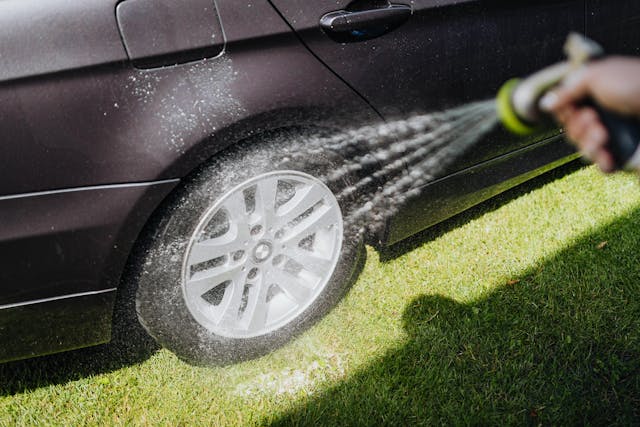
The final look of the lower half of the car depends on balance. Clean wheels beside tired-looking tyres don’t land properly. Dressed tyres beside neglected wheels don’t either. The two need to work together.
That’s where a lot of home detailing jobs lose some polish. The paintwork gets all the attention, though the eye still drops to the wheels. If that area doesn’t feel sorted, the whole car can seem less finished than it really is. A good tyre dressing helps close that gap by bringing the rubber back into line with the standard the rest of the detail has already set.
The wrong finish can cheapen the whole car
Shine on its own isn’t always the goal. Some tyre dressings lean heavily towards a glossy finish that might suit certain styles of vehicle, though on many cars it can make the result feel dated or overdone. A cleaner satin or low-sheen finish often looks more premium because it feels more controlled.
That’s especially true on newer vehicles, performance cars, and anything with a more modern detailing style. The finish should complement the car, not make it look like it was prepped for a dealership lot ten years ago. Product choice matters here because not all dressings leave the same look behind.
Durability matters once the car leaves the driveway
A tyre can look great for ten minutes and poor again after the first proper drive if the dressing doesn’t hold up. Water resistance, road behaviour, and how well the product bonds to the tyre all affect whether the finish lasts or disappears quickly.
That’s where better products separate themselves. A worthwhile dressing should apply cleanly, cure properly, and stay looking even without immediately slinging onto bodywork. If the effect vanishes too quickly, the whole process starts feeling like effort without much return.
Application technique affects the result as much as the product
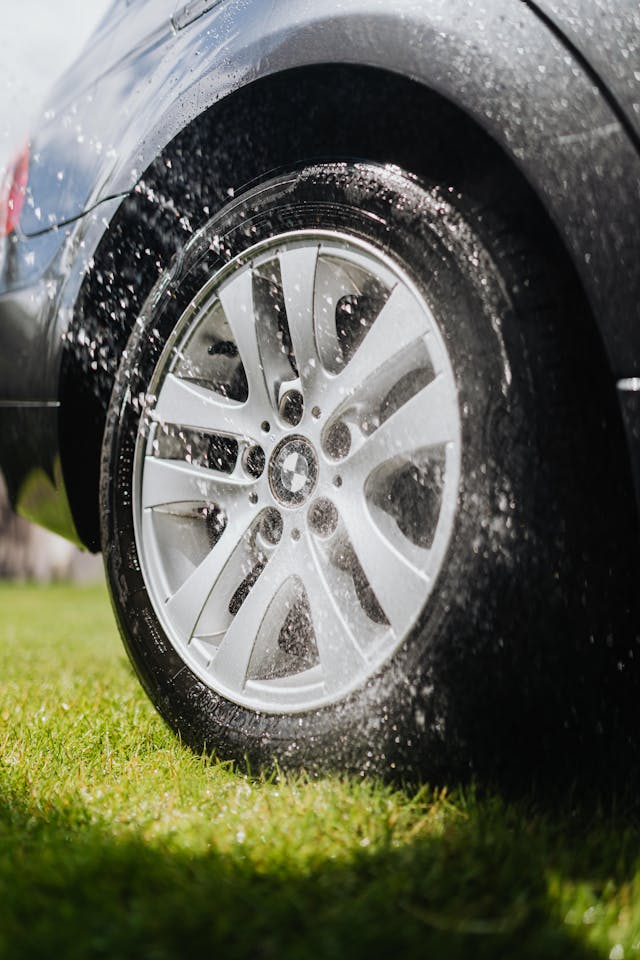
Even a good dressing can look average if it’s applied badly. Dirty tyres, rushed prep, uneven spreading, and no attention to excess product all show up in the finish. The surface needs to be clean first. Otherwise the dressing sits over old grime and the result turns patchy.
An applicator that gives decent control usually helps more than trying to rush the job with whatever’s closest at hand. Slow, even coverage tends to produce a better finish than heavy passes done in a hurry. That’s especially important on tyres with more textured sidewalls, where product can gather unevenly if there’s too much of it.
The final impression comes from the lower details
People often think the eye goes straight to the paint. It does, though the overall impression of a car comes from whether all the surrounding details support it. Tyres, trims, wheel arches, and glass all help complete the picture. If the body’s gleaming but the tyres look dry and forgotten, the job feels unfinished.
That’s why tyre dressing does more than add shine. It completes the shape of the detail. It gives the car a stronger stance visually and makes the effort spent on washing, drying, and protecting the rest of the vehicle feel fully resolved.
A better wash deserves a better finish
The end of a wash isn’t the point to start cutting corners. It’s the point where the whole job either comes together or falls a little flat. Tyres may seem like a small detail, though they carry a surprising amount of the final visual weight.
Get that finishing touch right and the whole car looks cleaner, sharper, and more deliberate.Get it wrong and even a careful wash can feel like it stopped just short of being properly done.